

Next-Generation Probiotics are Shaking Up Consumer Goods

Goodbye Probiotics 1.0, Hello Probiotics 2.0
A bacterial strain that reduces anxiety. Another that clears skin from the inside out. A third that rewires the gut-brain axis. These aren’t pharmaceutical concepts in early trials. They’re the next wave of probiotic consumer products, and they’re arriving faster than most of the industry realizes.
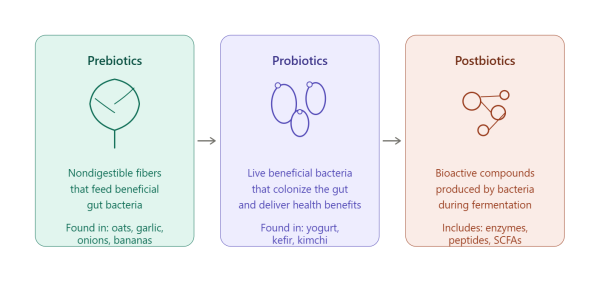
Probiotics 1.0, or traditional probiotics, dominate consumer products, from yogurt and kombucha to infant formula, classic supplements, and skincare products. These products are built on “old school” strains like Lactobacillus and Bifidobacterium. There’s no doubt these classic strains are beneficial to consumer health, but they’re largely non-targeted.
Consumers once accepted a one-size-fits-all solution. Today, they’re craving real, measurable outcomes (metabolic, mental, and skin benefits) rather than generic gut support.
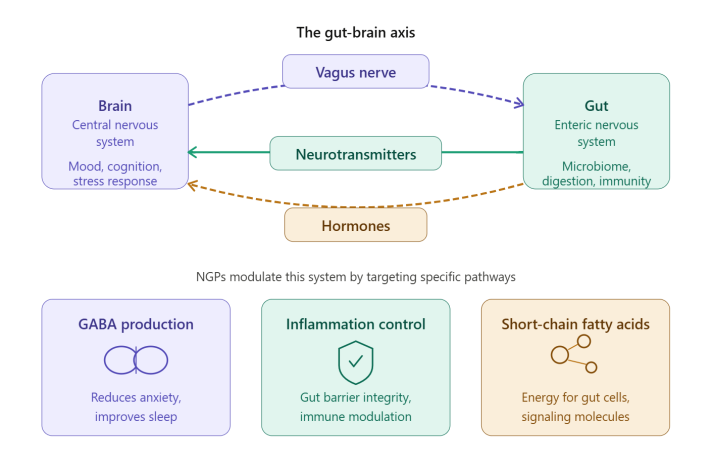
Enter Probiotics 2.0, or NGPs: a new class of precision probiotics. NGPs offer a range of benefits:
Strengthen the gut barrier
Produce short-chain fatty acids
Reduce inflammation
Modulate neurotransmitter pathways
For the first time, probiotics can target specific outcomes. Not just digestive health, but mental health and skin health too
Why Now? Research + Tech Tailwinds
1. Advances in science and technology: Scientific and technological progress has fundamentally changed how probiotics are discovered and developed. Tools like CRISPR-based gene editing allow researchers to modify bacterial genomes with greater precision. This means scientists can now identify and isolate the specific genes responsible for health benefits, stress resistance, and gut colonization versus relying on trial and error fermentation.
At the same time, AI-enabled strain discovery and microbiome mapping have accelerated the field. By analyzing massive genomic datasets, researchers can predict whether a bacterial strain is likely to function as a probiotic before it’s tested in vivo. This has shortened development timelines and enabled a more targeted approach to probiotic design.
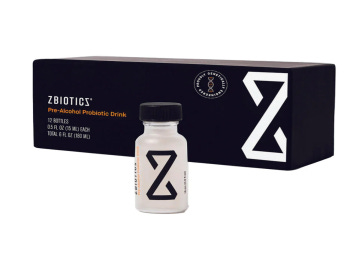
ZBiotics is a good example of genetic engineering in action. Their probiotic ZB183 is engineered to break down acetaldehyde, a byproduct of alcohol metabolism. It’s a targeted, single-function design that traditional probiotics couldn’t achieve.
2. Shifts in consumer behavior: Consumer expectations have shifted away from one-size-fits-all wellness solutions toward personalization. Consumers increasingly expect healthcare to be tailored to their individual needs. This trend starts with diagnostics, such as biomarker testing and microbiome analysis, and extends to treatment itself, including personalized probiotic formulations. Generic “gut health” supplements are losing relevance as consumers look for solutions that reflect their specific biology.
3. Rapid mainstream adoption of GLP-1s: The widespread adoption of GLP-1s has reframed how consumers and researchers think about the gut. Although GLP-1s have been studied for decades, they only recently entered the mainstream through expanded access and distribution. While their primary use cases remain diabetes management and weight loss, their secondary effects on appetite suppression have highlighted the power of the gut-brain connection.
The idea of “food noise” reduction has been especially powerful, accelerating interest in how the gut influences cognition, mood, and decision making. As a result, consumer products are evolving. Products are moving from being broadly labeled as “gut healthy” to positioning themselves as supportive of both gut and brain health.
Emerging Use Cases & Why It Matters for Consumer Goods
Skin Health: Consumers are increasingly leaning into science-backed skincare. They are no longer satisfied with “clean” beauty alone and are demanding clinically proven products. To date, most skincare products that incorporate probiotics have relied on traditional strains like Lactobacillus and Bifidobacterium. NGPs, however, offer a new avenue for the industry to expand into more personalized solutions, targeting conditions like acne, eczema, and rosacea.
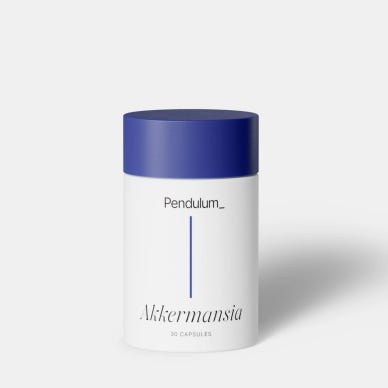
Akkermansia muciniphila (AKK) is the strain to watch here. Emerging research suggests it may improve skin health by regulating immune responses, and it’s already commercially available through metabolic health products like Pendulum. No NGP skin-specific product is on the market yet, but the science is pointing there.
Just as retinoids and biologics moved from medicine into skincare, NGPs are likely to follow a similar path, particularly through oral probiotic formats as the “ingestible beauty” trend continues.
Mental Health: NGPs are also emerging in psychobiotics, probiotics that impact mental health via the gut-brain axis, the communication system between the gastrointestinal tract and the central nervous system. The gut microbiome and symptoms of depression and anxiety have a reciprocal relationship: changes in one can affect the other. Irritable Bowel Syndrome is a well known example: a constant loop of anxiety leading to an irritable gut and vice versa.
LP815 is the NGP that should be on everyone’s radar. Scientists identified this strain for its unusually high GABA output, and in the past quarter, Verb Biotics, the team behind the discovery, completed critical trials to determine how quickly and how long people feel its effects.
“This trial validates the power of precision probiotics to go beyond digestive support. With LP815, we’re showing that targeted microbial strains can modulate the gut-brain axis to help people sleep better and feel better,” said Todd Beckman, CEO of Verb Biotics.
The newly launched GABA LP815, designed for sleep and stress support, is now available for integration into supplement formulations. The mental health probiotic market already exists. It’s just running on old strains. LP815 is one of the first true NGPs built specifically for that outcome.
Future Outlook
Skin and mental health are the two clearest proof points today, but they’re also just the beginning. As the science matures, targeted NGP applications are likely to expand into liver, kidney, cardiovascular health and beyond.
NGPs won’t replace traditional probiotics overnight. But they represent something the category hasn’t seen in decades: a genuine inflection point.
The shift from broad-brush wellness to targeted, outcome driven consumer health is already underway. As the science becomes more precise and consumers continue demanding products that reflect their specific biology, the limitations of Probiotics 1.0 are becoming harder to ignore.
For brands, formulators, and investors, the window is open now before NGPs become a household term. The ones who move early will own the credibility, the IP, and the consumer trust that defines the next generation of consumer health.
+++++
Further Reading:
NGP Deep Dives
1. Next-Generation Probiotics: From Traditional Strains to Personalized Therapeutics - PubMed
2. What will next generation probiotics and biotics look like ?
5. Probiotic supplements won’t help certain types of people. Are you one of them? | National Geographic
AI Discovery
3. AI-empowered human microbiome research | Gut
Safety
1. Next-generation probiotics: innovations in safety assessments - ScienceDirect
Great insight into a highly competitive category. The next wave of winners won’t be built by traditional brand-first CPG talent alone; it’s going to be operators who can translate science into a commercially viable product.
The gap I’m seeing is that companies still hire for legacy supplement or beauty backgrounds when what they actually need is someone who can bridge R&D, regulatory, and GTM. That talent pool is small, and it’s about to get very competitive.